.png)

Our mission is the filter for every decision we make - Mareike Elena Lott, Lovechock
Mareike Elena Lott is the Head of Marketing and New Product Development at Lovechock, a vegan, organic and fair chocolate brand. She is also a coach and the host of She Apero Düsseldorf, through which she brings together women who can help and inspire each other. With extensive experience in Marketing with big brands like Miele or L’Oreal, Mareike is now dedicated to inspiring a shift towards conscious chocolate consumption.
Lovechock was born 16 years ago, after its founders discovered the amazing cacao of South America and wanted to create something different in the industry - something better for the consumer and the farmers as well.
The company has grown significantly over the last years. After being closed because of Covid, rebuilding the brand was not easy, but now, they have “managed to strengthen brand awareness, regain consumer trust, expand our listings in organic retail, and stabilise the business again. This was a huge achievement for our small team.” Mareike adds.
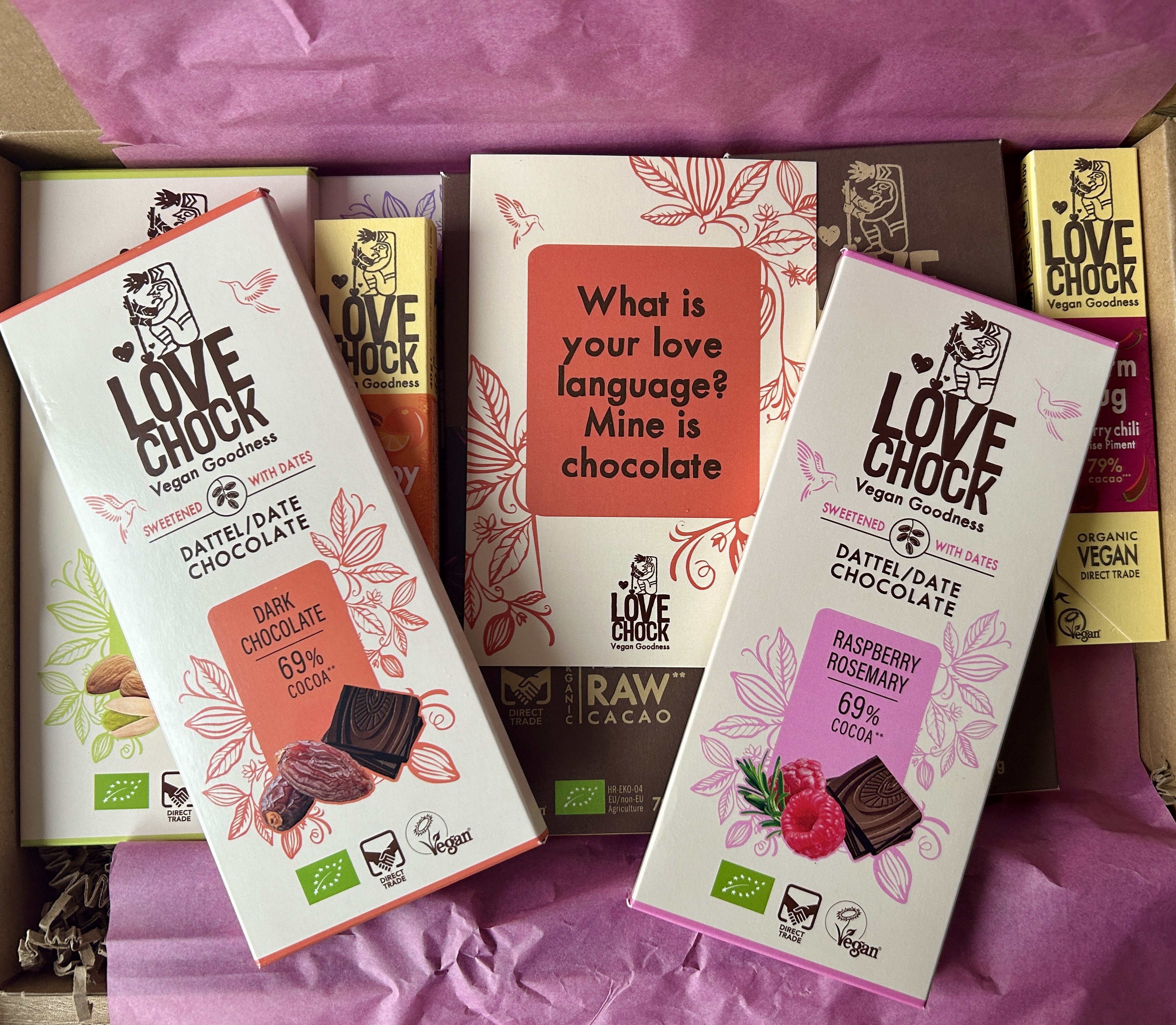
They are listening closely to consumers and watching business trends. “In recent years, the demand for low- or no-sugar products has grown strongly. While we’ve always sweetened with coconut blossom nectar, this year we launched a completely new line sweetened only with dates in five unique flavours.”
.png)
Lovechock is also focused on younger audiences as well now, not just dark green consumers (who shop exclusively in organic stores). “We have built a much stronger social presence, and grew new communities through a micro-influencer strategy.
With very limited budgets, we focused on long-term, authentic partnerships instead of expensive campaigns. The new moodshots and brand communication reflects this journey and we are proud of how we promote our products today.”
They have recently launched their first Dutch webshop and began investing in performance marketing. “It’s quite new for us, but the first results are very promising. We believe D2C will become an important sales pillar in the coming years—especially as consumers increasingly look for artisanal, small-batch, single-origin chocolate with clean labels.”
Misconceptions about vegan chocolate still persist among consumers - like real chocolate needing milk or vegan alternatives being less tasty. But Lovechock is on its way of debunking them - high-quality cacao doesn’t need milk at all, and organic, vegan chocolate “can be just as indulgent, creamy, and flavour-rich as conventional chocolate - often even more so because of the purity of ingredients” Mareike explains.
Their mission is also to educate consumers, by “offering tastings, and focusing on clean, simple recipes with high-quality cacao and minimal ingredients. Transparency helps people understand that organic also means fewer pesticides, better farming practices, and often a better flavour profile.”
The company still operates as a startup, which for Mareike, as Head of Marketing, translates into agility, focus and being very conscious of their budgets. When it comes to marketing, their approach is centered around five pillars:
“Test, learn, and cut fast: I try many things—if something delivers ROI, we scale it. If not, we stop immediately. Agility is key when budgets are tight.
Market-specific strategies: Each country performs differently. For example, PR works extremely well for us in the Netherlands, generating strong reach and engagement. In Germany, however, PR results were low, and without media budgets, we decided to stop and re-allocate resources.
Small creators over big influencers: Large influencer campaigns are too costly, so we rely on micro-influencers who genuinely love the brand. We work mostly with barter deals (No payment but sponsoring free products) and build personal, long-term relationships. This gives us strong authenticity at a manageable cost.
No big advertising—finding smarter ways instead: We don’t invest in TV or large campaigns. Instead, we focus on social, community building, and end-consumer fairs where we can meet people directly. This strengthens brand awareness and helps us grow a loyal fanbase.
Communicating what makes Lovechock different: We stand for LOVE—for farmers, for the planet, and for people. This means organic ingredients, home-compostable packaging, vegan products, direct trade, and exceptional quality. Competing with big chocolate companies on price is impossible, but we can win by staying true to our values and telling our story in a personal, transparent way.”
Lovechock is an impact-focused business, and this means that their values have to be translated into marketing and product decisions. For the company, Mareike explains, the mission acts as a filter for every decision they make:
“Each new product must reflect our brand values: always vegan, free from gluten, milk or soy, direct trade cacao, organic ingredients only, focus on sustainability, reduced sugar or natural sugar alternatives.
The consumer is always at the centre: What do they need? How can we make the product cleaner, purer, better?
We collaborate only with partners who share similar values—sustainable tea or coffee brands, vegan bag makers, organic spice companies, etc.
All POS materials are printed on recycled paper. We choose compostable or recyclable packaging wherever possible and try to minimise our footprint across the entire value chain.”
In the following 3-5 years, Mareike hopes to see the brand heading in several main directions:
“A strong and established D2C business - Our webshop should become a significant revenue pillar and help us build deeper consumer relationships.
Growth in private label partnerships - Collaborating with like-minded retailers can help us scale impact and make organic chocolate more accessible.
Leading position in premium organic chocolate - I want Lovechock to be the number-one brand consumers think of when they look for high-quality, ethical, organic chocolate.
A broader global community - Growing our awareness internationally and building a loyal fanbase that truly connects with our mission: Love for the farmers, Love for the planet, Love for people.”
Finally, we asked Mareike what she thinks are the main marketing trends and strategies for impact startups in 2026. Her take is that success will only come if startups stay “radically transparent and value-led. Key strategies include:
• Extreme transparency and clean labels: Consumers want to know what’s behind a brand—ingredients, sourcing, pricing, impact. Brands that openly communicate processes and challenges build trust fastest.
• Community-based growth instead of broad advertising: Building strong communities through micro-influencers, ambassadors, and UGC will continue to outperform large paid campaigns.
• Educational content and storytelling: Explaining the „why“ behind your mission is crucial—short videos, behind-the-scenes stories, founder insights, farmer stories.
• Purpose-aligned partnerships: Collaborations with like-minded brands amplify reach at minimal cost.
• Strong D2C presence and first-party data: Owning your customer relationship and using data responsibly is key for sustainability-focused brands that want to stay independent.”
Thank you, Mareike Elena Lott!
Image
Gallery.

Explore
Related posts.

Subscribe to the newsletter!
Stay up to date with the latest news & resources from the impact-driven startup world!

