Interviews
Trust is the outcome of how we operate, not a message we try to sell - Josefina Bustamante Caballero, Bel Community
January 13, 2026 · Oana Modorcea
.png)
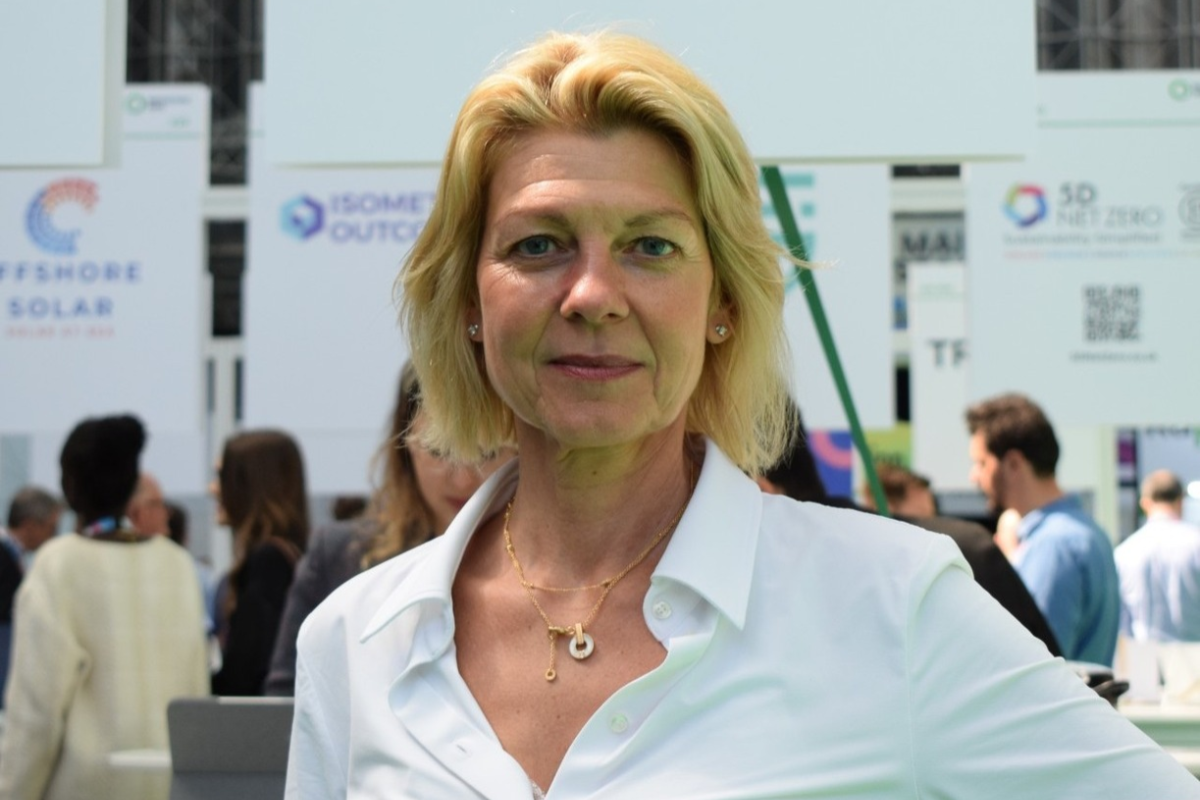
Josefina Bustamante Caballero is the Co-founder and CEO of Bel Community, an app that connects parents with the ideal private tutor for their child, and tracks real learning progress over time. Bel uses AI to personalise classes, track students’ progress and remove prep work.
Josefina Bustamante Caballero is the Co-founder and CEO of Bel Community, an app that connects parents with the ideal private tutor for their child, and tracks real learning progress over time. Bel uses AI to personalise classes, track students’ progress and remove prep work.
Josefina spent more than 10 years developing mobile apps and leading engineering teams before deciding to focus entirely on education. While she had a real impact as an engineer leader, she realised that she wanted to do more to contribute to an area she truly cared about.
“I’ve always been deeply oriented toward learning. I read a lot, I’m naturally curious, and continuous learning has been a constant in my life. But beyond that, I had been a maths private tutor myself, and I had seen the system from the inside.
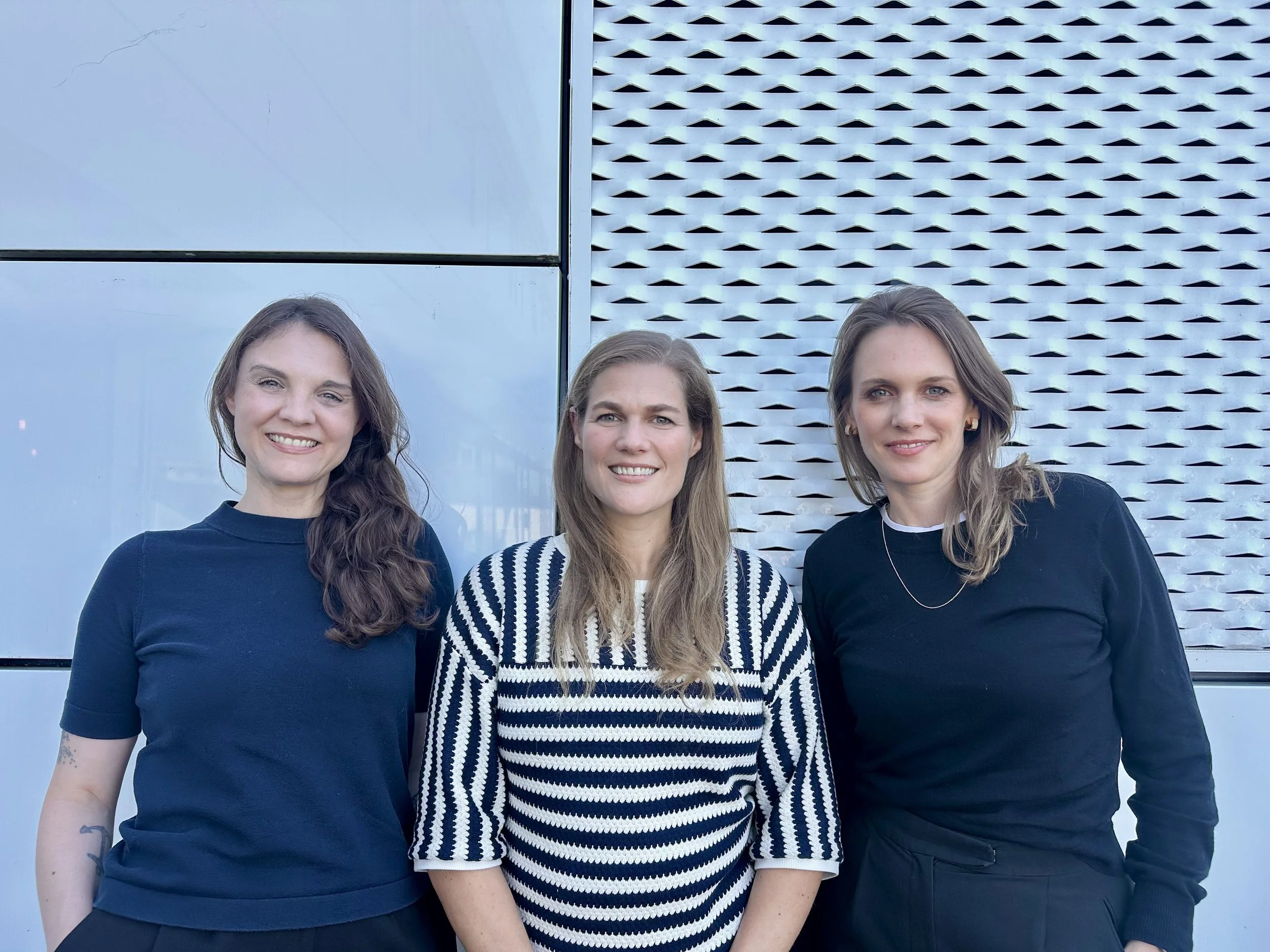
I also grew up very close to education: my sister, with whom I started the company, is a teacher, so I’ve always had a front-row seat to the challenges educators face every day.
What I saw was a sector that is structurally outdated. Teaching methods haven’t evolved at the same pace as the world around us, and many children feel disengaged from what they’re expected to learn.
At the same time, technology and AI have reached a point where personalizing learning paths at scale is finally possible. Continuing to educate children in the same way we did decades ago simply no longer makes sense.
That realization led us to start by supporting families through one-to-one personalized tutoring for their children. From there, what began as a very hands-on solution gradually evolved into something much bigger. That’s how Bel was born.”
The early days of Bel, she says, were organic and fun. During the pandemic, she had to remain in Argentina for almost 3 months, without being able to travel back to Spain. As she moved back with her family and started living with her sister, she saw the challenges teachers and parents were facing.
“Very naturally, families began asking for help, and we started connecting parents with teachers. At first, it was just an Excel spreadsheet, later a Notion table. There was no platform, just manual matching. What surprised us was the traction: in the first month alone, over 300 classes took place through those connections, many of them expecting to be recurring. That was the first real signal that there was something meaningful worth building.
As the community grew, families began asking for additional services beyond tutoring, and we said yes to many of those requests. While this helped us learn quickly, it also made the model increasingly operational and hard to scale.
Over time, it became clear that education was where we could create the greatest impact and long-term value. Focusing exclusively on education was a turning point and ultimately shaped Bel into what it is today.”
.png)
Bel uses AI and Josefina says that people still have the big misconception that it will replace thinking or teachers.
“What we’re seeing in schools today is a very real concern around critical thinking. Many students are using AI to produce answers without questioning them, debating them, or validating them through other sources. Instead of engaging deeply with what they’re learning, they copy and paste. That’s not an AI problem, it’s a usage and guidance problem.
For those of us who grew up without AI, critical thinking was something we were forced to develop in school. Today, the challenge is different. The responsibility of educators, technologists, and education founders is not to fight AI, but to embrace it in a way that actually strengthens those skills. AI should invite students to question, compare, debate, research further, and reach better conclusions, not shortcut the learning process.
Another misconception is that the solution is to remove or minimize the role of teachers. We strongly believe that’s a mistake. Especially at school age, students are not just learning content. They are forming their identity, their confidence, and their way of thinking. Human educators play an irreplaceable role in that process.
At Bel, we see ourselves as a bridge between technology and education. We build tools that support teachers and tutors, not replace them, while acknowledging the very real constraints they face, especially the lack of time. Our goal is to help educators use AI to personalize learning and foster curiosity and critical thinking, rather than diminish it.”
Josefina believes that there’s a new role needed for educators, that of journey-guides and not just answer-givers. Accompanying a student on their journey goes beyond mastering content, she adds.
“While deep subject knowledge matters, it’s not always what makes the biggest difference in a student’s learning journey.
There is often a mismatch between people who know a subject extremely well and those who are able to truly motivate, empower, and build confidence in a learner.
In practice, we’ve seen that there are far more people capable of encouraging curiosity, asking the right questions, and supporting a student emotionally than there are experts in very specific topics.
This is where AI can fundamentally change the role of educators. If AI can take on much of the heavy lifting around content creation, lesson planning, and adaptation to curriculum goals, educators can focus on what matters most: observing the student, understanding how they think, challenging their reasoning, and creating a safe space for dialogue and exploration.
In that model, the educator becomes a guide rather than an answer-provider. Someone who helps students interpret ideas, reflect on them, and contribute their own perspectives, instead of simply delivering information.
Long term, we imagine a world where learning is supported not only by professional teachers and tutors, but also by people around the student who genuinely want to be part of that journey, an older sibling, a mentor, or a trusted adult. AI handles the content and structure, while humans focus on guidance, trust, and connection.”
Bel Community was launched in 2022, and has reached important milestones since then and helped many tutors and students. Josefina recalls the story of a teacher with little formal experience, but strong motivation, who had ADHD and struggled to find a space where she felt trusted.
“At Bel, she was given the opportunity to start tutoring, and that confidence became a turning point. Over time, she discovered her passion for supporting students with ADHD, creating educational content focused on neurodiversity, and is now fully dedicated to that mission. She told us that Bel trusted her when no one else did, and that changed her path.”
Another wonderful story features a tutor who began working remotely for a few hours through Bel, and who slowly transitioned to a full-time role. “He later shared with us that thanks to that stability, he was able to buy his first house.
Knowing that we can help educators build sustainable, dignified careers is incredibly meaningful to us.”
Bel Community is growing, and Josefina says that one of the most important achievements is the way they’ve managed to build trust by changing the way student progress is measured.
“At Bel, we developed a student progress framework that goes beyond grades, focusing on personalized goals, consistency, engagement, and autonomy. This gives families real visibility into how their children are evolving over time, not just how they perform in exams.
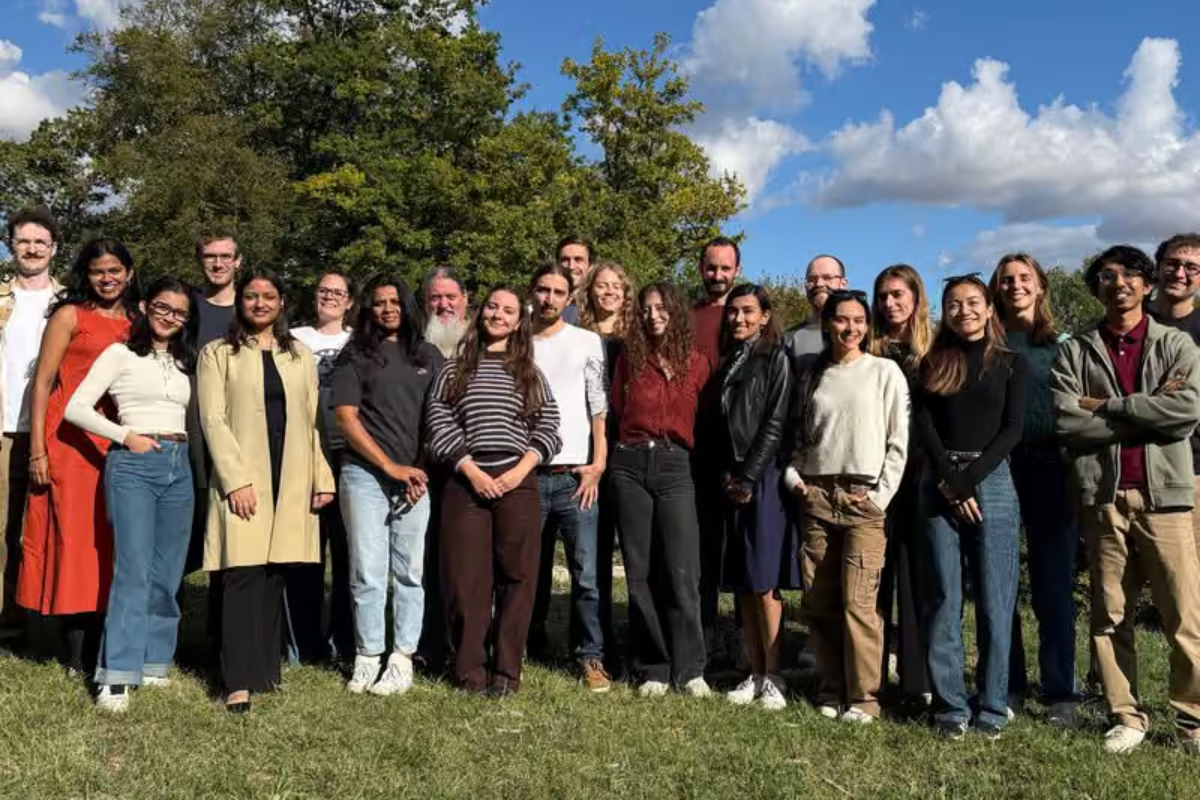
Another milestone is the team we’ve built. I truly believe there is no better team to tackle this challenge. Their level of commitment and engagement with improving education every day is extraordinary, and in a sector like education, that consistency matters deeply.
Trust is built through transparency, respect, and long-term thinking. Families trust you when progress is visible and communication is clear. Educators trust you when technology supports their work rather than replacing it. For us, trust is the outcome of how we operate, not a message we try to sell.”
In the next 5-10 years, Bel’s CEO thinks that tutors will spend far less time preparing content and far more time developing human skills.
“AI will take care of lesson creation, personalization, and structure, which means deep subject knowledge will matter less than the ability to guide, motivate, and connect with students.
The tutor of the future will be closer to a coach than a traditional instructor. Their value won’t come from delivering answers, but from helping students think critically, enjoy the learning process, build confidence, and stay engaged over time.
Tutors who embrace AI won’t be replaced, they’ll be amplified. By combining AI-powered content with strong human skills, they’ll be able to support students more effectively while preserving what matters most in education: trust, motivation, and human connection.”
Finally, we wanted to know what impact-founders need more of in order to grow their businesses, from Josefina’s perspective:
“Impact-founders need more patience, and more permission to build with rigor.
There is often pressure to grow fast, scale aggressively, and prove impact quickly. But in sectors like education, real impact takes time. Building trust, changing habits, and improving learning outcomes don’t happen overnight.
Beyond that, impact-founders need stronger standards around evidence. Too many impact claims in EdTech are overstated or based on weak measurement tools. Without rigorous evaluation, it’s hard to distinguish between solutions that look effective and those that truly are. Measuring impact and real learning responsibly requires reliable and valid frameworks, not just dashboards or short-term gains that are easy to market.
Impact also needs to be sustainable. Purpose alone is not enough; the business model has to work long term. That means access to patient capital, informed funders, and ecosystems that value depth over speed.”
Thank you, Josefina Bustamante Caballero!