Interviews
We want our technology to become the layer that connects sharing infrastructure globally - Anna de Matos, Circular Library Network
April 23, 2026 · Oana Modorcea
.png)
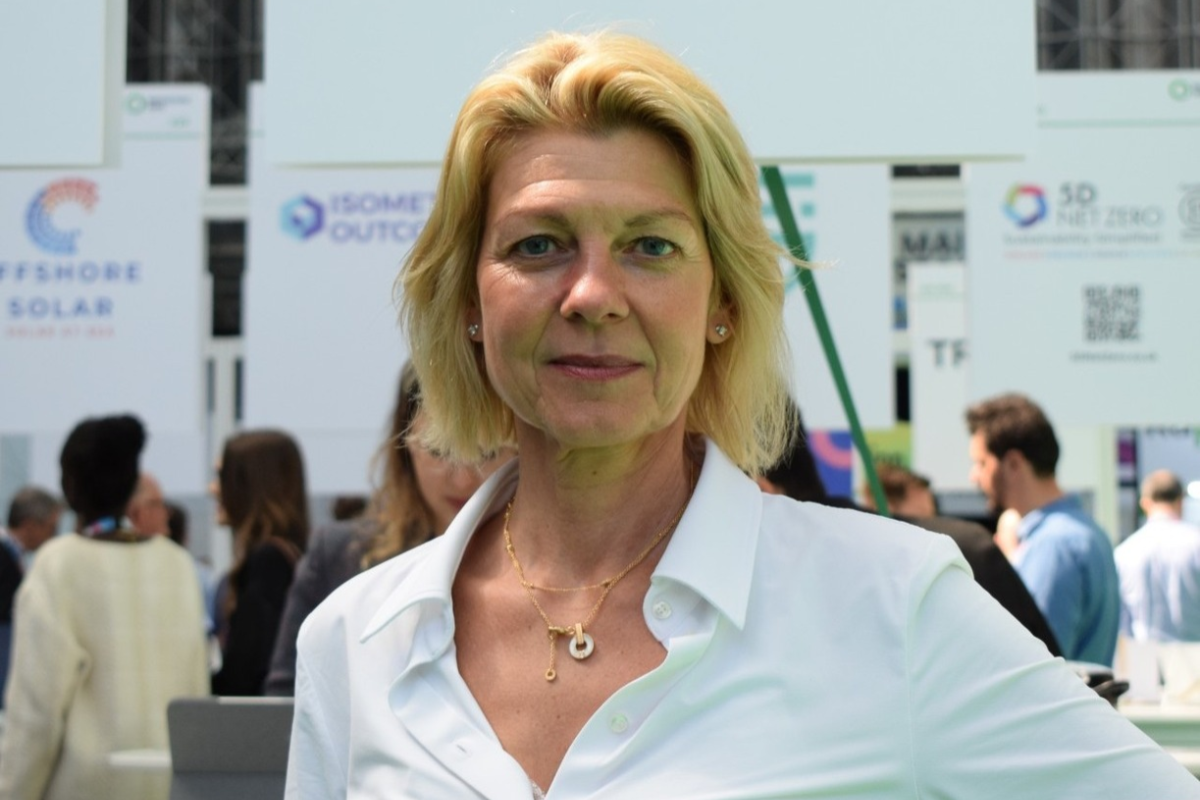
Anna de Matos is the CEO and founder of Circular Library Network, a project inspired by a very practical need she faced after moving to Iceland.
Anna de Matos is the CEO and founder of Circular Library Network, a project inspired by a very practical need she faced after moving to Iceland. She couldn’t afford to buy tools, she couldn’t find too many rental options and she didn’t have a network to borrow from.
“That made me realise that access to everyday items was a much bigger, shared problem.
That’s how the tool library started. Since then, the project has evolved into two parts: in Iceland, we now operate as a nonprofit focused on local community access and repair initiatives, and internationally, we run Circular Library Network as a company that provides the infrastructure and technology for sharing systems globally.”
Her background in conservation and restoration had a big influence in the way she thinks about resources.
“In that field, you are trained to value what already exists and to repair, maintain, and extend the life of objects rather than replace them. You also gain a strong awareness of the materials, time, and care that go into making things.
That mindset naturally shaped the idea behind Circular Library Network. Instead of producing and consuming more, the focus is on using what we already have more efficiently through sharing, repair, and access.
It shifted my thinking from ownership to usership, making sure resources are actually used rather than left sitting unused.”
Through the technology provided by Circular Library Network, people can launch a sharing library in 30 days using hardware that transforms any cabinet into a self-service sharing station, and the software to manage inventory, members, and operations. Anna describes these stations as libraries for things because they work in a very similar way to a traditional library.
“Instead of borrowing books, people can borrow tools, equipment, or other useful items they only need occasionally.
In practice, users sign up, browse what is available, and borrow items for a set period of time. Although we developed it as a library system, it is flexible. Communities can choose how they operate it, including setting up daily rentals, adding late fees, or applying cleaning fees for certain items.
The stations are designed to be operational 24 hours a day, but they are usually placed in public spaces with opening hours, such as libraries, or in residential and shared buildings where communities can access them.
Our approach is very much bottom up. When we were running the tool library, we saw a high burnout rate, especially when projects relied heavily on volunteers and strict opening hours.
The system we developed is meant to support the people running these projects, not replace them. It helps streamline some of the more difficult parts of operating a sharing library, like managing access, reducing the need for staffed opening hours, and lowering the cost of running a physical space, while still keeping the community at the center.”
The concept of borrowing everyday items challenges traditional ideas of ownership, and over the years, Anna has learned that people are very attached to ownership - often more because of habit and culture than actual need. She explains:
“Many items are used very rarely, yet people still feel the need to own them.
At the same time, once people experience access, their mindset can shift quite quickly. When borrowing becomes easy, reliable, and convenient, people are much more open to it. The challenge is not willingness, it is making the system accessible and trustworthy enough for people to rely on.
I also think there is an important distinction between secondhand consumption and usership. Buying secondhand still follows a pattern of ownership, while sharing systems focus on using what already exists more efficiently. For me, the goal is to move towards usership, where value comes from access and use, not from owning things.
A few years ago, there was that well known quote from Davos, “you will own nothing and you will be happy,” and I think when that comes from a top down perspective it can make people feel uncomfortable about losing ownership. What we try to communicate is something different. You are not the drill you own or the car you own, those things are not status. If we want communities that focus more on wellbeing, we need to move away from individual ownership towards shared access.
So it is less about taking things away from people and more about giving people reliable access to what they need, while creating stronger, more connected communities.
We see a future where people always have access to what they need, so they can use their hard earned money on things that bring more pleasure and strengthen community. In that way, the money does not disappear from the system, it is simply redirected towards improving people’s wellbeing.”
Partnerships have been essential to making this model work, Anna says. “Great partners have been local community leaders such as tool libraries, municipalities, and social housing operators who want to create the same future we envision. These are the people and organizations closest to the communities, and they play a key role in making projects successful locally.
We also support our partners by helping them apply for funding, so the financial responsibility does not fall entirely on them. This includes working together on grant applications and identifying opportunities that can support implementation.
For example, our partnerships with Bax and ChangeX allow communities to access funding in different regions across Europe and beyond, making it easier for them to set up and run sharing systems.”
To founders trying to build businesses that change consumption patterns or behaviors, Anna’s advice would be to start small and stay very close to the real needs of the community you are trying to serve.
“A lot of what we built came from observing problems in practice and testing small solutions step by step, rather than trying to build everything at once.
I would also say do not underestimate how hard it is to change behavior. People are used to certain systems, so your solution has to be easy, reliable, and accessible if you want them to adopt it. It is not enough to be right, it has to work in people’s daily lives.
On the funding side, break things into smaller pieces. Apply for smaller grants, build gradually, and be very honest about what you can and cannot deliver. And do not take rejection personally, it is part of the process.
And find people who are aligned with your values. Whether that is partners, investors, or collaborators, this kind of work takes time, and having the right people around you makes all the difference.”
Looking back at the past eight years, there have been a few turning points or milestones that significantly shaped the direction of Circular Library Network.
“In the beginning, it was simply realizing that the need for access to tools and shared resources was much bigger than my own situation, which gave the project its initial direction.
A major shift happened during Covid, when we started developing our automated system. Up until that point, running the tool library required a lot of manual work and we saw a high burnout rate. Building the technology allowed us to rethink the model and create something that could support communities in a more sustainable way.
Another important milestone was separating the work into two parts. Keeping a nonprofit structure in Iceland allowed us to stay focused on local community impact, while creating Circular Library Network as an international company allowed us to scale the technology and support projects globally.
More recently, expanding beyond Iceland and seeing communities in other countries adopt the system has been a big moment. It confirmed that this is not just a local solution, but something that can work in many different contexts.”
Looking ahead, Anna’s long-term vision for the Circular Library Network is “to provide the infrastructure that allows communities everywhere to easily set up and run their own sharing systems. I want to focus on building the best possible technology so that others can create access to resources without facing the same barriers we did.
At the same time, it is very important that this remains community driven. The goal is not to replace people, but to support them with tools that make these projects easier to manage and more sustainable over time.
We want our technology to become the layer that connects sharing infrastructure globally, while still allowing for localised action within each community. In the future, this could mean that you have a membership in your local library, but you can travel to another country and access a different sharing station there. Think of it as open borders for borrowing.
Ultimately, I see a future where access becomes the norm, where people can get what they need when they need it, and where communities are more connected and supported through shared resources rather than individual ownership.”
Thank you, Anna de Matos!